


Non-small cell lung cancer in New Zealand: Symptoms, treatment, and how insurance can help
Learn about non-small cell lung cancer symptoms, diagnosis, treatment, support options in New Zealand, and how your existing insurance may help.
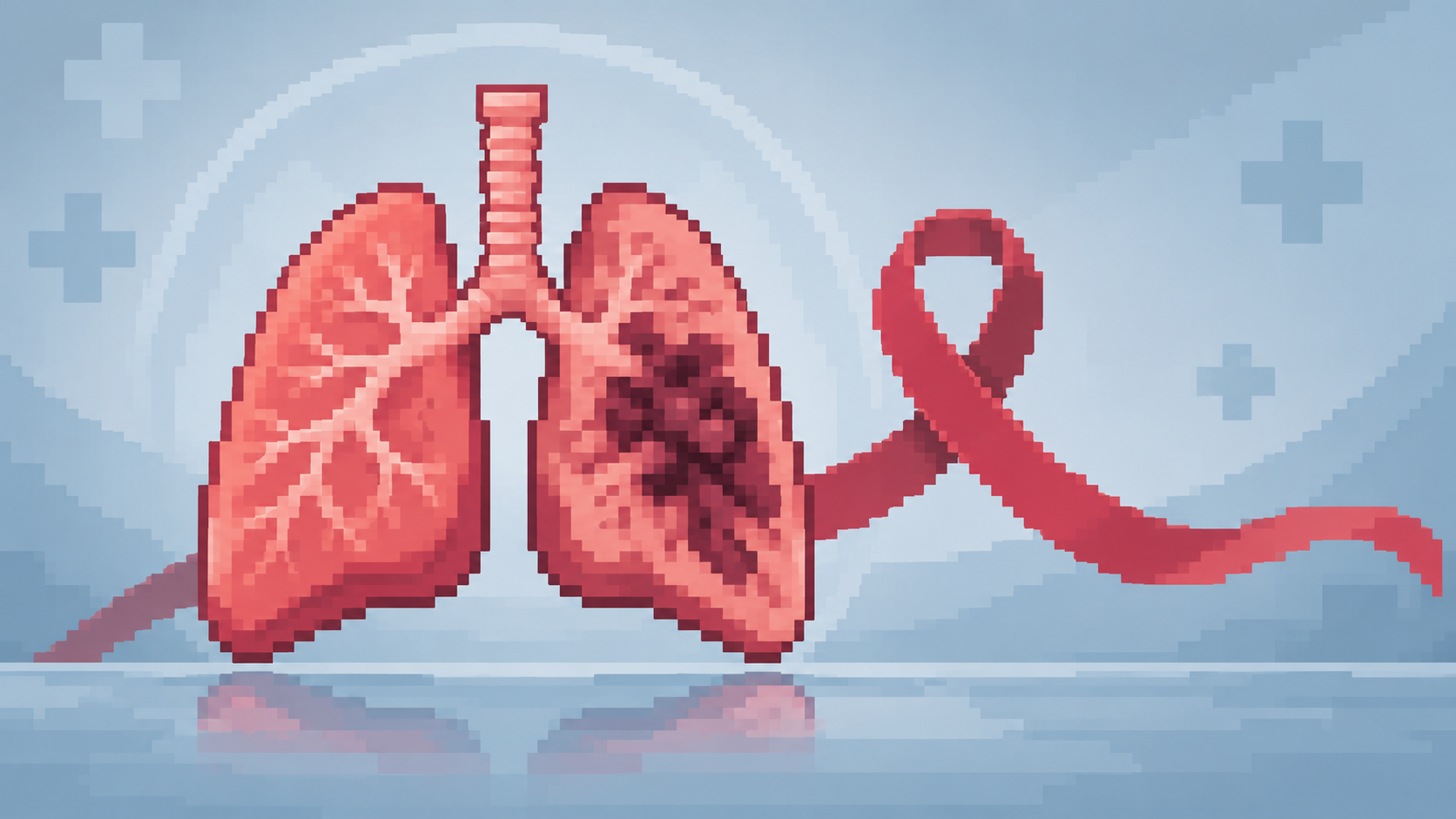
Lung cancer kills more New Zealanders than any other cancer. It caused 1,857 of the country's 10,536 cancer deaths in 2022, around 18%, ahead of bowel cancer at 1,267. Non-small cell lung cancer is the most common type, accounting for 89% of New Zealand lung cancer diagnoses between 2008 and 2012.
It starts in the cells lining your airways, and early on it may cause no symptoms. The stage at which it is found shapes much of what follows.
If you already hold health, trauma or life cover, a diagnosis is the point at which that cover starts working for you. Policywise can help you understand what your policy covers and help those around you compare options if they hold none.
- Non-small cell lung cancer is the most common form of lung cancer.
- Smoking causes most cases, but in a 2010–2017 cohort of non-squamous NSCLC patients, around a quarter whose smoking status was known had never smoked.
- An unexplained cough lasting more than three weeks should be checked.
- Treatment depends on stage, from surgery to chemotherapy, radiation, targeted therapy and immunotherapy.
- Cover can bring diagnosis forward and help pay for medicines Pharmac does not fund.

Health | Life | Trauma | Total and Permanent Disability | Income Protection
Learn more on different types of insurance from an expert licenced financial adviser and see what's best for your circumstances.
Learn more about different types of insurance from a licensed financial adviser and see what's best for your circumstances.
Health | Life | Trauma | Disablement | Income Protection | Mortgage Protection
What is non-small cell lung cancer?
Non-small cell lung cancer, or NSCLC, is cancer that starts in the cells lining the surface of your lung airways, including the bronchi, bronchioles and alveoli. It is the most common form of the disease: internationally, it accounts for about 80% of lung cancers, and in New Zealand it accounted for 89% of lung cancer diagnoses between 2008 and 2012.
The name describes what a pathologist sees: small cell cancer cells look small and round under a microscope, while non-small cell cells are larger and typically grow more slowly. Slower growing is not the same as harmless: early disease often causes no symptoms, and internationally, about 40% of cases have already spread beyond the lungs by the time they are found.
Types of non-small cell lung cancer
Non-small cell lung cancer has three main types, named for the cell it starts in: adenocarcinoma, squamous cell carcinoma and large cell carcinoma. Adenocarcinoma accounts for about 40% of diagnoses, squamous cell carcinoma for 25% to 30%, and large cell carcinoma for 10% to 15%.
Large cell carcinoma is the least common of the three. It can start anywhere in the lung and tends to be aggressive. New Zealand publishes no subtype breakdown, so those shares are international. Your own pathology report will name the specific type you have.
Non-small cell lung cancer vs small cell lung cancer
|
Non-small cell |
Small cell |
|
|
Growth |
More common, at about 80% of lung cancers; cells are larger and typically grow more slowly |
Less common, at about 15% to 20%; spreads more quickly than non-small cell lung cancer |
|
Treatment |
Surgery for early disease; chemotherapy, radiation, targeted therapy, immunotherapy for more advanced disease |
Chemotherapy and radiation, often together; surgery rarely used |
|
Five-year survival (international) |
65% early, 37% regional, 9% metastatic |
16% to 30% limited stage, 12% extensive |
Adenocarcinoma
Adenocarcinoma usually begins in the outer lung, in the mucus-producing cells lining the small airways called bronchioles. It affects both smokers and non-smokers, and tends to grow more slowly than other lung cancer types.
Squamous cell carcinoma
Squamous cell carcinoma starts in the thin, flat cells lining the bronchi, usually in the central part of the lung. It is more closely tied to smoking than any other lung cancer type, and is more likely to spread.
How common is non-small cell lung cancer in New Zealand?
Non-small cell lung cancer accounted for 89% of lung cancer diagnoses in New Zealand between 2008 and 2012. Lung cancer as a whole is the country's biggest cancer killer, responsible for 18% of all cancer deaths in New Zealand, more than any other cancer type.
It caused 1,857 deaths in 2022, at an age-standardised rate of 19.6 per 100,000. There were 2,590 new registrations in 2023. It is not the cancer New Zealanders are most often diagnosed with: in 2022, lung cancer ranked fourth for both sexes, behind prostate, bowel and melanoma in men, and breast, bowel and melanoma in women.
It is rare before 40 and most often diagnosed from age 60. In 2017, mortality rates were 3.4 times higher for Māori than non-Māori, and incidence 3.7 times higher. Rates for Māori and Pacific peoples combined were two to three times higher than for other ethnic groups, linked largely to higher smoking rates. These are population-level figures; your own outlook depends on your specific stage and treatment, covered below.
What causes non-small cell lung cancer, and what raises your risk
Smoking causes most lung cancer in New Zealand. Across lung cancer as a whole, around 90% of cases in men and 65% in women are attributed to smoking, and it raises the risk 20-fold to 50-fold, with duration the strongest determinant. Second-hand smoke, workplace carcinogens and air pollution are also established causes.
What you may be able to change:
- Smoking. Risk falls after you stop, though 25 years on it is still around three times that of someone who never smoked.
- Second-hand smoke, which raises risk by roughly 25%, and by 20% to 30% for a non-smoking partner.
- Workplace exposure to asbestos, diesel exhaust or silica.
What you cannot:
- Age, with most diagnoses from 60 onwards.
- Existing lung disease, particularly chronic obstructive pulmonary disease or interstitial lung disease.
- A personal history of any cancer, or a family history of lung cancer.
- Radiation therapy to the chest.
Radon appears on international risk lists, but exposure in New Zealand is low: soils here carry only trace uranium and radium, and a 2016 indoor survey found no areas warranting monitoring.
Having one or more of these risk factors does not mean you will develop non-small cell lung cancer. Many people with several never do, and the disease also develops in people with no known risk factors.
Non-smokers get non-small cell lung cancer too. Among 3,815 people with non-squamous non-small cell lung cancer in northern New Zealand, 25.6% of those whose smoking status was known had never smoked. Among those tested for EGFR, never-smokers were far more likely to carry the mutation: 49.8%, against 13.2% of ever-smokers.
Is non-small cell lung cancer hereditary?
Non-small cell lung cancer is not usually inherited. The gene changes that drive it are somatic: they are acquired during a person's life and cannot be passed on to family members.
Family history still counts for something: New Zealand guidance lists it among the factors placing someone in the highest-risk group a GP should assess. How much of this reflects genetic risk, rather than shared smoking habits within a family, is not fully clear.
There is no predictive genetic test to ask for, though.
Te Oranga Pūkahukahu, New Zealand's lung screening initiative, is a Māori-led, risk-based low-dose CT study rather than a hereditary testing pathway, and runs only in the MidCentral district and the northern region. If lung cancer runs in your family, your GP can assess your own risk factors and act early on symptoms.
Non-small cell lung cancer symptoms
Non-small cell lung cancer sometimes causes no signs or symptoms. When symptoms do appear, the most common are a cough that does not go away or gets worse over time, chest discomfort or pain and trouble breathing. Others are wheezing and blood in sputum coughed up from the lungs.
Others are easier to miss, because they seem unrelated to the lungs:
- Hoarseness
- Loss of appetite, or weight loss for no known reason
- Fatigue
- Trouble swallowing
- Swelling in the face, or in the veins of the neck
New Zealand guidance is specific about when to act. It lists a new or changed cough, chest or shoulder pain, breathlessness, hoarseness, coughing up blood, weight loss and an unresolved or recurrent chest infection as symptoms to act on. Lung cancer should always be considered when any of these is unexplained or lasts longer than three weeks.
These symptoms are often mistaken for more common illnesses, and internationally, about 40% of non-small cell lung cancers have already spread beyond the lungs by diagnosis. Rather than waiting it out, have your GP check them.
How non-small cell lung cancer is diagnosed
This stage can be frightening to go through, and it helps to know what to expect. Diagnosis in New Zealand starts with your GP. Guidance is that people aged 40 and over with symptoms or signs of lung cancer are referred for an urgent chest X-ray, preferably the same day. Where that is not available, it should be completed, reported and reviewed within a week.
A clear X-ray is not the end of it: some analyses suggest up to 25% of lung cancers may not show up on a chest X-ray. A GP with high clinical suspicion can still refer you urgently to a respiratory physician. From there, the pathway usually runs:
- Imaging: CT, and sometimes PET-CT or a bone scan, to establish size, location and spread.
- Biopsy: tissue from the lung or lymph nodes, taken by bronchoscopy, endobronchial ultrasound (a scope passed down the airway), oesophageal ultrasound (a scope passed down the throat), fine needle biopsy or surgical biopsy, which confirms the cancer and its type.
- Biomarker testing: molecular testing of that sample for DNA changes and protein levels, which shows whether a targeted medicine is an option.
That last step is written into New Zealand's funding rules: Pharmac requires documented confirmation of an activating EGFR mutation before osimertinib is funded. Testing did not reach everyone.
Among 3,815 non-squamous NSCLC patients in northern New Zealand, 45% were tested for EGFR mutations, though uptake rose sharply over time, from 3.7% in 2010 to 64.6% in 2014, before levelling off.
What the route to diagnosis can change is how long you wait. Diagnosis does not always happen through this planned route: 44.8% of New Zealanders diagnosed with lung cancer between 2019 and 2022 were diagnosed after an emergency presentation. Pacific peoples, Māori and high-deprivation groups were disproportionately affected.
Stages of non-small cell lung cancer
Non-small cell lung cancer is staged with the TNM system. It describes the size of the tumour (T), whether there is cancer in the lymph nodes (N), and whether it has spread elsewhere in the body (M). Staging runs from occult disease and stage 0 through to stage 4, and it influences which treatments are offered. Your treatment team uses this stage to decide which options apply to you.
|
Stage |
What it means |
|
Occult |
Cancer cells in sputum or bronchial washings, no tumour visible on imaging |
|
Stage 0 |
Abnormal cells in the airway lining only, not yet invasive |
|
Stage 1 |
In the lung only, up to 4cm, no lymph node spread |
|
Stage 2 |
Spread to lymph nodes on the same side of the chest, or a larger tumour without node spread |
|
Stage 3 |
Spread to nodes in the mid-chest, above the collarbone or on the opposite side, sometimes invading nearby structures |
|
Stage 4 |
Spread to one distant site such as the brain, adrenal gland, kidney, liver or bone, or cancer cells in the fluid around the lungs or heart (4A); spread to several such sites (4B) |
Stage 3 is a varied group, and the question there is whether the cancer can be removed. Selected patients with T3 or N2 disease can have surgery plus chemotherapy or chemoradiation, while unresectable or N2 to N3 disease is treated with radiation combined with chemotherapy.
How fast a tumour grows varies widely, as one study of surgically resected non-small cell lung cancer found: the median doubling time on CT was 230 days, ranging from 19 days to far longer. Looking specifically at each tumour's solid component, a shorter doubling time (under 400 days, median 175.5 days) was linked to a poorer outlook.
Non-small cell lung cancer treatment
Treatment depends on the stage, your general health and the tumour's molecular profile. Early-stage non-small cell lung cancer is usually treated with surgery, sometimes followed by chemotherapy. Where surgery is not possible, appropriate or acceptable, a combination of radiation and chemotherapy may be recommended instead.
Is non-small cell lung cancer treatable?
Non-small cell lung cancer is treatable, though treatable and curable are not the same thing. Sometimes treatment is offered with the goal of curing the cancer, and your treatment team will talk with you about how likely that is. Even when a cure is not possible, treatment may reduce symptoms and improve quality of life.
Surgery
Surgery is offered for early-stage non-small cell lung cancer, in three main forms. Lobectomy removes a lobe of the lung. Pneumonectomy removes one whole lung. Wedge resection or segmentectomy removes part of a lung rather than a whole lobe.
The surgeon also samples lymph nodes around the lung and mediastinum (the space between the lungs), which stages the cancer and helps decide whether chemotherapy is needed afterwards. You may feel short of breath afterwards, and physiotherapy is an important part of recovery.
Surgery reaches fewer people than you might expect: 18.9% of New Zealanders with non-small cell lung cancer received curative surgery in 2019 to 2022. Māori, Pacific peoples and rural and high-deprivation patients were less likely to receive it.
Radiation therapy and chemotherapy
Radiation therapy and chemotherapy are two different treatments, often given together as chemoradiation. Radiation uses X-ray beams and affects only the part of the body the beams are aimed at. Chemotherapy is medication that kills cancer cells or slows their growth, and it affects cells throughout the body.
Chemotherapy is given by infusion or as tablets, often during radiation to increase its effectiveness, sometimes after surgery, and often as palliative treatment. Side effects can include fatigue, nausea, hair loss, reduced immunity, bowel changes and peripheral neuropathy (tingling or numbness in the hands and feet).
Some are serious: a fever over 38°C, chest pain, difficulty breathing or uncontrolled bleeding needs immediate medical attention. Ask your treatment team which of these side effects apply to your own regimen.
Radiation can be used alone to try to cure early-stage disease, with chemotherapy where the cancer has reached lymph nodes in the chest, after surgery in selected cases, or to relieve symptoms. Its side effects are mostly local: fatigue, dry skin over the treated area, painful swallowing, a dry cough and chest tightness.
As at 2022, it was delivered at specialist centres in Auckland, Hamilton, Tauranga, Palmerston North, Wellington, Christchurch and Dunedin, so people elsewhere travel for it.
Targeted therapy and immunotherapy
Targeted therapy and immunotherapy work in different ways. Targeted treatment blocks a specific damaged gene or protein driving the cancer's growth, so it is only an option if testing finds that change. Immunotherapy switches back on the part of the immune system that has stopped recognising cancer cells.
The biomarker test result decides which targeted therapies are available to you. EGFR and ALK mutations should always be tested for as standard practice in people diagnosed with adenocarcinoma of the lung.
Pharmac funds osimertinib (Tagrisso) for EGFR-mutated non-squamous advanced disease, crizotinib (Xalkori) for ROS1-mutated disease, and pembrolizumab (Keytruda) and atezolizumab (Tecentriq) for locally advanced and metastatic disease. Alectinib (Alecensa) is funded for ALK-positive, locally advanced or metastatic non-small cell lung cancer.
Funded does not mean available to everyone. From 1 April 2026, Pharmac narrowed access to pembrolizumab and atezolizumab to patients without an EGFR, ALK or ROS1 mutation. A medicine can also clear Medsafe without being subsidised: amivantamab (Rybrevant) has provisional approval for disease with an EGFR exon 20 insertion mutation, and does not appear in Pharmac's Special Authority forms index.
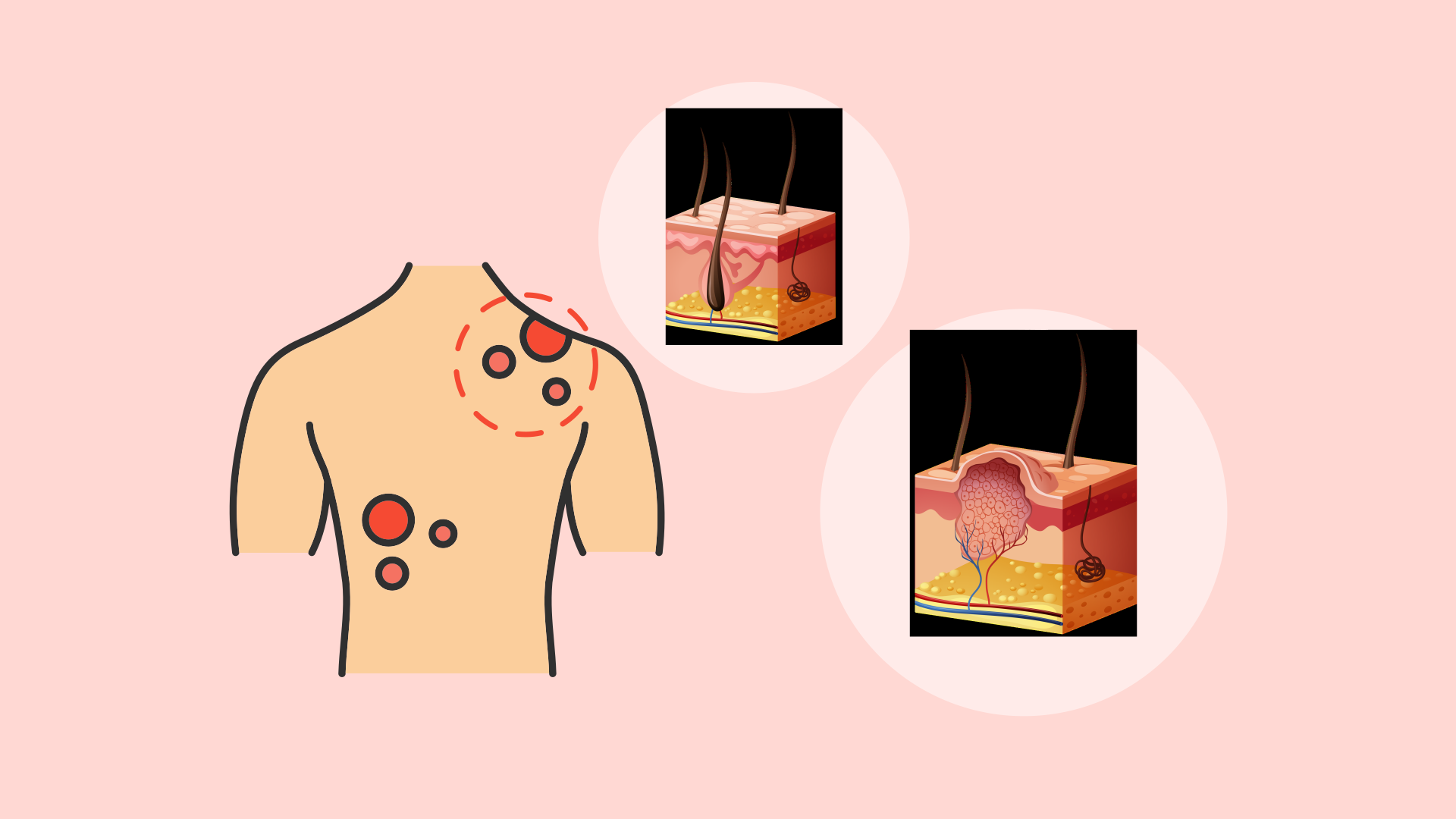
Side effects differ. Targeted treatment commonly causes an acne-like rash on the face, scalp or upper body, tender palms and soles, dry skin and sun sensitivity. Immunotherapy side effects come from inflammation and can appear almost anywhere, including itchy eyes, joint pain, rashes, bloating and diarrhoea.
What non-small cell lung cancer treatment costs in New Zealand
There is no published price list for non-small cell lung cancer treatment in New Zealand. Private surgical and diagnostic care is quoted individually, with separate surgeon, anaesthetist and facility fees, so no reliable public figure exists for a consultation, a bronchoscopy, a biopsy or a lung resection. What is documented is the cost of medicines Pharmac does not fund.
Medsafe approves medicines for use here; Pharmac decides which are funded. Before pembrolizumab was funded in 2023, one New Zealand family self-funded it, reported spending around $110,000. The figure quoted publicly at the time for a privately funded course was about $100,000.
Administration is billed separately: one patient being treated for a different cancer type paid $45,000 for 12 sessions over six months simply to have an unfunded medicine given privately. Unfunded medicines cannot be dispensed in public hospitals.
The same rule applies to unfunded non-small cell lung cancer medicines. If you are weighing one of these costs yourself, see Policywise's guide to cancer treatment costs in New Zealand.
How your insurance can help
If you already hold health, trauma or life cover, a non-small cell lung cancer diagnosis is the point at which that cover starts working for you. Health insurance can pay for private specialist consultations, diagnostic imaging, surgery, chemotherapy and radiotherapy, and for Medsafe-approved medicines Pharmac does not fund. Every health insurer on Policywise's panel covers that funding gap in some form.
Stage at diagnosis correlates closely with outcome. New Zealand's cancer registry records stage as extent of disease, localised, regionalised or advanced, rather than by the TNM stage numbers above.
Of New Zealanders diagnosed with lung cancer between 2019 and 2022, 96.1% of those with localised disease were alive a year later, against 69.1% with regionalised and 22.7% with advanced disease.
In the Midland Cancer Network region, only 17% were diagnosed early. Separately, those diagnosed early with stage I–II disease who had curative-intent treatment had a five-year survival rate of 70%. All of these figures cover lung cancer as a whole rather than non-small cell disease specifically.
Cover can get you into private care, where waits may be shorter, and bring diagnosis and treatment forward. It does not remove the cost: every provider applies an excess, a co-payment or both somewhere in its range.
Limits apply to most benefit categories too, even where one benefit such as surgery is unlimited, although at least one provider waives the excess once cancer is diagnosed. What cover changes is how much the cost decides when your care happens.
What each type of cover can do:
- Health insurance pays for private consultations, scans, surgery, chemotherapy, radiotherapy and unfunded Medsafe-approved medicines.
- Trauma, or critical illness, insurance pays a lump sum on diagnosis of a covered cancer, though the cancer trigger can sometimes differ between tiers of the same insurer's range.
- Cancer insurance, where offered, pays a single lump sum on a confirmed diagnosis, with no receipts and no restriction on how you spend it, though survival periods, stand-down periods and age-related reductions commonly apply, and not every provider offers it.
- Life insurance pays on death, commonly advancing the full sum insured on a terminal illness diagnosis, and some wordings pay an earlier partial sum on stage 4 non-small cell lung cancer.
- Income protection pays a monthly benefit while you cannot work; many policies reduce that benefit by other income, such as ACC payments.
- Total and permanent disability cover pays a lump sum only if you become permanently unable to work, a higher bar than a diagnosis alone.
- Mortgage protection pays either a monthly benefit sized to your repayments while you are disabled, or a lump sum on death or terminal illness.
Policies classify medicines by funding status rather than by how they work, so the question an insurer answers is whether a specific medicine is Pharmac-funded. Cover for unfunded medicines taken at home, which is how most modern targeted therapies are given, is confirmed at only some providers.
If you hold cover and have just been diagnosed, talk to your adviser or insurer before treatment starts, where you can. Policywise can read your policy with you, confirm which benefits apply and support you at claim time.
A policy taken out now will not help with a condition someone already has, and that does not change for a condition currently being treated or claimed on: none of what follows reopens cover for it. It applies instead to other, separate conditions you may want covered in future.
Having a pre-existing condition does not mean you cannot get cover at all or that it will be automatically excluded. Some insurers may cover a pre-existing condition if you meet specific criteria, while others may set a waiting period or adjust your premium to cover it. On some plans, though, a pre-existing cancer may be permanently excluded no matter how long you hold the policy.
Policywise's guide to health insurance and pre-existing conditions sets out how that works.
What happens after non-small cell lung cancer treatment
Everyone should see their treating specialist within six weeks of finishing treatment, then have a chest X-ray at three months, reviewed by that specialist. Routine surveillance imaging or blood tests beyond that are not recommended in primary care. Your specialist will tell you if your own situation needs anything more than this routine follow-up.
Around half of people who have curative-intent surgery for lung cancer will have a local or distant recurrence, and the risk is greatest in the first two years. Fear that the cancer will come back is the most common fear people have afterwards, especially in the first year, and many say that with time they feel less anxious.
Where to get support in New Zealand
Support in New Zealand runs through a handful of national organisations, though some deliver services regionally. If you need someone to talk to, these services are free to contact.
The Cancer Society's information line, 0800 226 237, is staffed by cancer support nurses from Monday to Friday, 8:30am to 5pm. Healthline is free, nurse-staffed and open 24 hours a day on 0800 611 116.
- Cancer Society of New Zealand also offers free counselling, volunteer drivers to treatment, peer connection through Cancer Connect NZ and six lodges for people travelling for treatment. It is a federation of regional divisions, so services vary by area, and a lodge stay needs a referral from your specialist or hospital.
- Cardiac and Respiratory Foundation NZ, on 0800 100 506, carries New Zealand's lung cancer patient information, including factsheets on diagnosis, surgery, chemotherapy and radiation. It was formed in July 2026, when the Lung Foundation merged with three other charities.
- National Travel Assistance, run by Health New Zealand, helps with travel and accommodation costs for people travelling far or often to specialist appointments. It needs a specialist referral, not a GP's.
- Work and Income. Jobseeker Support covers people who cannot work, or can only work part-time, because of cancer. The Supported Living Payment, Disability Allowance and Special Needs Grants may also apply.
- Mental health helplines. Free call or text 1737 any time for a trained counsellor, Lifeline on 0800 543 354, or Samaritans on 0800 726 666. None is cancer-specific.
Policywise: Helping you prepare for life's uncertainties
Policywise is a 100% free service which tells you which health, life, and disability insurance provider best fits your needs. We offer fast, comprehensive, and easy-to-understand comparisons of all leading providers and a simple summary clearly recommending which insurer is best for your situation.
Not all insurance policies are the same. Policywise can help you sort out the duds, avoid the lemons, understand the fine print and exclusions, and get the right insurance for you and your family.
We make the important decision of where to buy your insurance super easy. We’ll answer your questions, provide experienced advice and quotes, and manage all the back and forth throughout the application process. Taking out your cover through us means you'll have our lifetime support and claims advocacy, and we'll help you negotiate a positive outcome at claim time. We can also take care of lodging any claims on your behalf and back you up if the going gets tough.
Check out the reviews on our homepage for how other New Zealanders have found our service, because now is the time to get your health and trauma insurance sorted. Give your family or someone you love the most outstanding financial support possible. Book a 5-minute callback with Policywise today; our service is fast and free.
Important Disclaimer: The information on this website is general in nature and does not consider your personal situation. It is not intended as a definitive financial guide. Before making any KiwiSaver or insurance decisions, we recommend speaking with a licensed Policywise adviser.
Policywise advisers are licensed by the Financial Markets Authority to give financial advice on KiwiSaver and health, life, and disability insurance. For more, see our Public Disclosure page.
All insurance is subject to insurer approval. Policies may include stand-down periods, exclusions, terms and conditions, and premium loadings not listed here. Optional (add-on) benefits come at an extra cost. Please refer to the relevant policy document for full and current details, as insurers may update these at any time.
Product pages on this site are summaries only. In the case of any difference between website content and the provider’s official policy wording, the provider’s wording will apply.
Quickly find the cover that’s best for you
Policywise tells you which health, life or disability insurance best matches your circumstances, 100% free. Talk to one of our insurance advisers to find out which life insurance is best for you.
References
bpac New Zealand. (2021, March). Early detection of lung cancer in primary care. Retrieved 23/11/2026 https://bpac.org.nz/2021/docs/lung-cancer.pdf
National Institutes of Health. (2019, March 12). Miura et al. Solid component tumor doubling time is a prognostic factor in non-small cell lung cancer patients. Retrieved 23/11/2026 https://pmc.ncbi.nlm.nih.gov/articles/PMC6419374/
National Institutes of Health. (2021, May 7). Aye et al. Population-based incidence rates and increased risk of EGFR mutated non-small cell lung cancer in Māori and Pacifica in New Zealand. Retrieved 23/11/2026 https://pmc.ncbi.nlm.nih.gov/articles/PMC8104366
Pharmac. (2023, March 7). Decision to fund two new treatments for people with advanced non-small cell lung cancer. Retrieved 23/11/2026 https://www.pharmac.govt.nz/news-and-resources/consultations-and-decisions/2023-03-07-decision-to-fund-two-new-treatments-for-people-with-advanced-non-small-cell-lung-cancer
Pharmac. (2024, December 6). Decision to fund treatments for lung cancer, breast cancer and respiratory conditions. Retrieved 23/11/2026 https://www.pharmac.govt.nz/news-and-resources/consultations-and-decisions/24-dec-decision-to-fund-treatments-for-lung-cancer-breast-cancer-and-respiratory-conditions
Pharmac. (2025, March 12). Decision to fund new medicines for cancer and infections, and to change the funded brand of palbociclib. Retrieved 23/11/2026 https://www.pharmac.govt.nz/news-and-resources/consultations-and-decisions/2025-03-decision-to-fund-new-medicines-for-cancer-and-infections-and-to-change-the-funded-brand-of-palbociclib
Radio New Zealand. (2020, April 22). Espiner, G. Pharmac back-tracks on plan to fund lung cancer drug Keytruda. Retrieved 23/11/2026 https://www.rnz.co.nz/news/national/414885/pharmac-back-tracks-on-plan-to-fund-lung-cancer-drug-keytruda
Radio New Zealand. (2020, May 4). Espiner, G. Without Keytruda, 30 deaths a week in NZ from cancer, Lung Foundation says. Retrieved 23/11/2026 https://www.rnz.co.nz/news/health/415797/without-keytruda-30-deaths-a-week-in-nz-from-cancer-lung-foundation
Radio New Zealand. (2026, July 23). Four charities unite to tackle heart and lung disease. Retrieved 23/11/2026 https://www.rnz.co.nz/national/programmes/morningreport/audio/2019044496/four-charities-unite-to-tackle-heart-and-lung-disease
Yale Medicine. (n.d.). Non-small cell lung cancer. Retrieved 23/11/2026 https://www.yalemedicine.org/conditions/non-small-cell-lung-cancer



ON THIS PAGE
Download our insurance comparison chart
We need a few details before we can send you this content…
* All fields are required